Inflatable Pipe Plugs for Blocking, Bypass and Testing
RTO is the #1 SAVA dealer. Anywhere. RTO supplies inflatable pipe plugs for rent and sale for commercial, municipal, industrial, sewer, storm drain, and large diameter pipe applications. We offer pipe plugs for small and large pipe systems, including blocking plugs, bypass plugs, sewer test plugs, pipe bandages, and leak sealing bags. Many standard proprietary-formula rubber plugs are also available in chemical-resistant chloroprene for corrosive or chemically exposed environments.
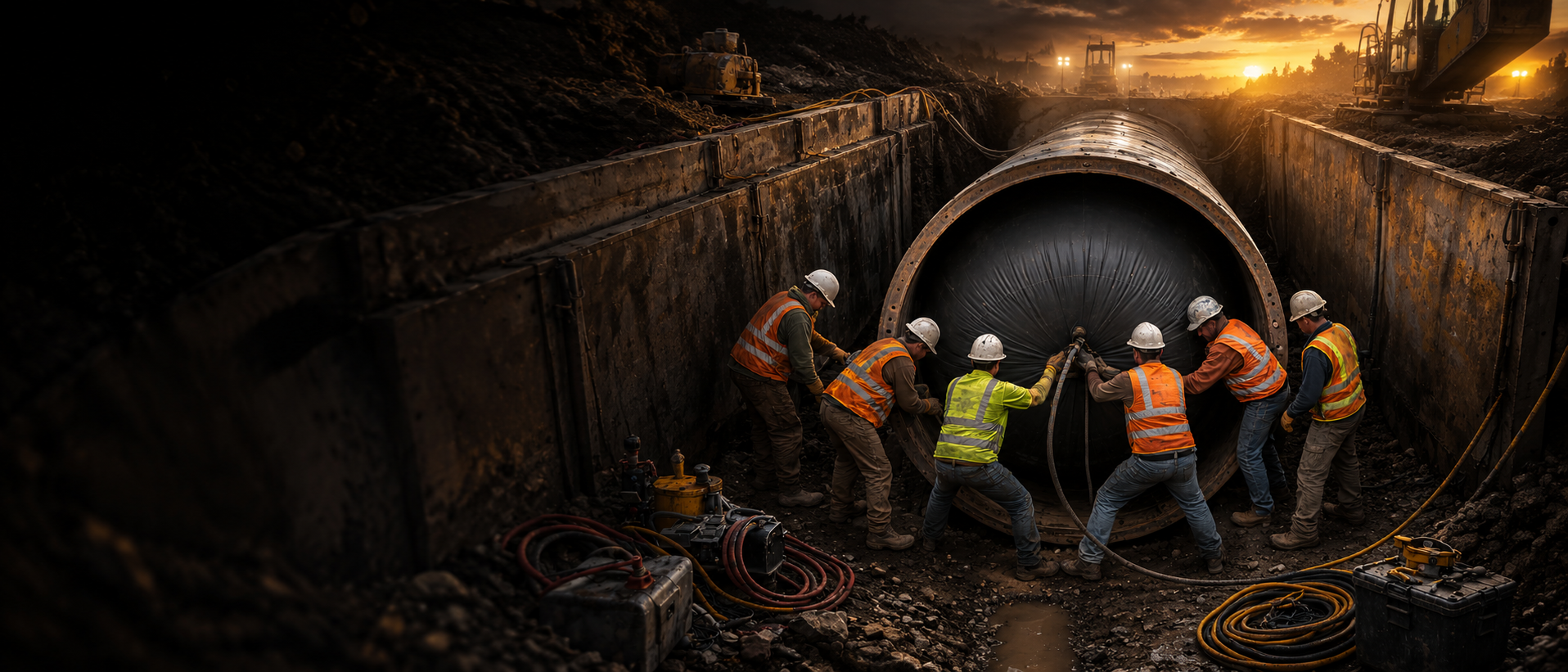
Inflatable pipe plugs are used to temporarily seal, isolate, test, or bypass a pipe. They are commonly used for sewer maintenance, storm drain service, pipeline repair, pressure testing, bypass pumping setups, flow-through testing, and construction or maintenance work where a secure temporary seal is needed.
Choose the Right Inflatable Pipe Plug
The correct pipe plug depends on pipe diameter, pipe shape, access opening, required back pressure, whether flow must continue through the line, and whether the application involves chemicals, corrosion, or abrasive conditions. Blocking plugs are used to stop flow or isolate a section of pipe. Bypass plugs include a rigid center tube or port so flow can continue through the plug during testing, bypass pumping, or maintenance.
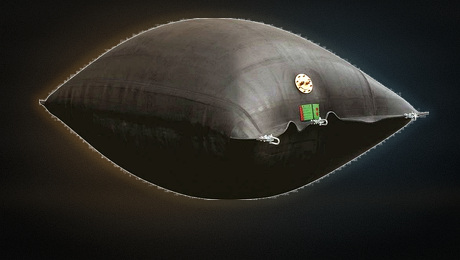
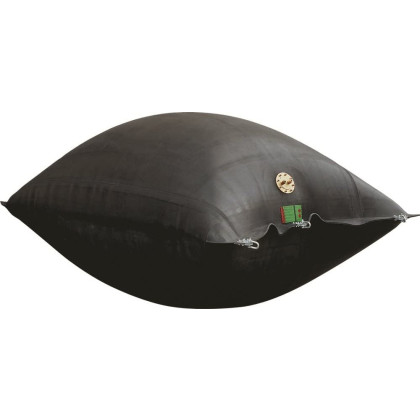
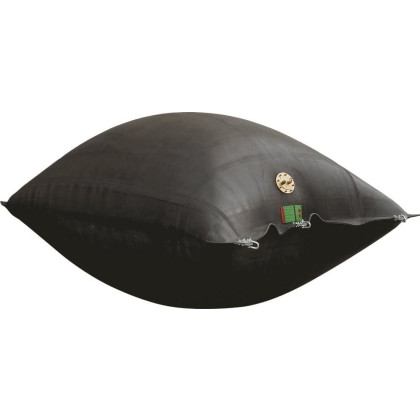
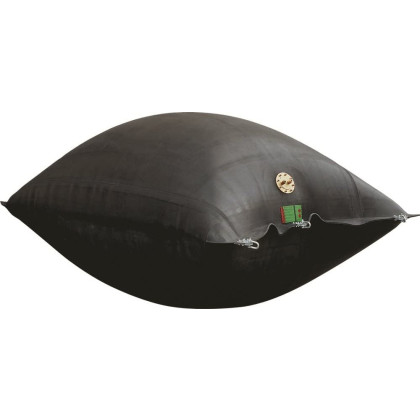
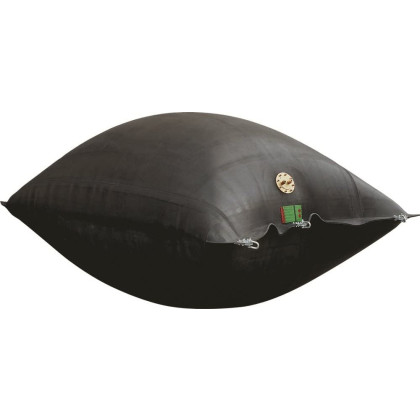
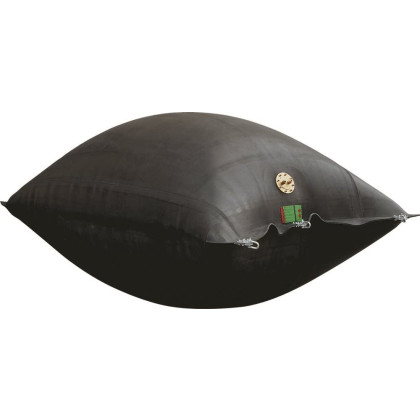
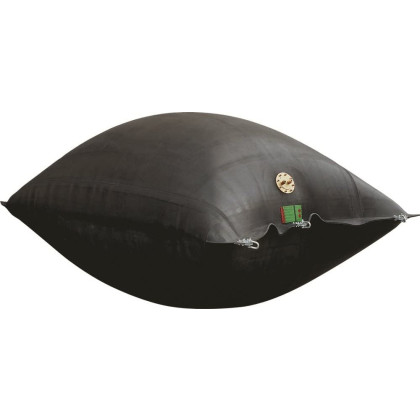
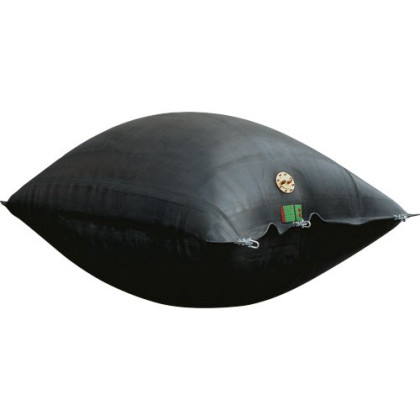
SAVA large diameter pipe plugs are designed for sewer systems, storm drains, and other large pipe applications. These pillow-style inflatable plugs can be folded for insertion through limited access points such as manholes, then inflated inside the pipe. Large diameter plugs are available with or without bypass ports depending on whether the job requires full blocking or flow-through access for testing and bypass work.
Municipal sized blocking plugs are used when a sewer line, storm drain, or larger pipe must be temporarily sealed or isolated. These plugs are suited for heavier maintenance and repair work where a secure seal and durable construction are important. RTO offers municipal inflatable pipe plugs in a wide range of sizes for blocking, isolation, and pipe maintenance applications.
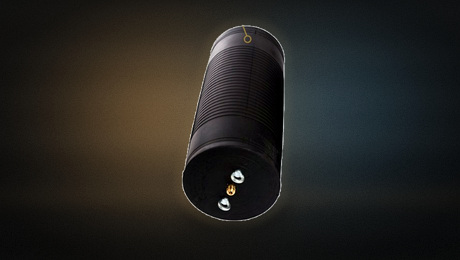
Bypass pipe plugs include a rigid tube or bypass port through the plug body. This allows flow-through access for bypass pumping, pressure testing, flow control, or monitoring while the plug remains inflated in the pipe. Use bypass plugs when the line cannot be fully shut down or when the job requires controlled flow during testing or maintenance.
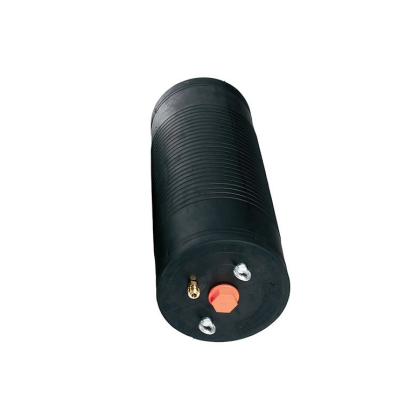
Commercial series inflatable pipe plugs are lightweight plugs for commercial, maintenance, and light industrial work. They are available as blocking plugs or bypass plugs. Blocking plugs stop or isolate flow, while bypass plugs allow flow-through access for pressure testing, flow measurement, or repair work. These plugs are easy to inflate and deflate using standard tire valves.
Why Choose SAVA Inflatable Pipe Plugs?
SAVA manufactures inflatable pipe plugs for commercial, municipal, industrial, and large diameter pipe systems. Their plugs are designed for difficult pipe maintenance environments where durability, flexibility, and a secure temporary seal matter.
- Suitable for commercial, municipal, large diameter, and high-pressure pipe systems.
- Molded from special NR-SBR rubber for a strong balance of durability, flexibility, and manageable weight.
- Flexible construction helps with difficult installations, including manhole access, limited openings, and bends.
- Reinforced with Kevlar for added durability.
- Tested at three times working pressure for safety.
- Available in chemical-resistant chloroprene for corrosive or chemically exposed environments.
SAVA inflatable pipe plugs have a compact deflated profile, making them easier to insert before inflation. Once positioned, the plug is inflated with air or inert gas to seal or isolate the pipe for maintenance, repair, testing, or construction work. RTO offers SAVA inflatable pipe plugs for rent and sale, with support for choosing the right plug type, size, bypass configuration, and material for the job.