


Mechanical Plugs
Mechanical Pipe Plugs
Shop mechanical pipe plugs from RTO for blocking, bypass, pressure testing, cleanouts, plumbing, sewer, drain, and industrial pipe applications.
Clean Out Gripper
View category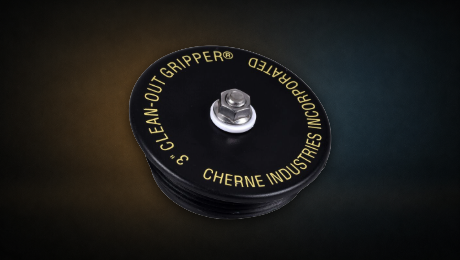
Econ-O-Grip
View category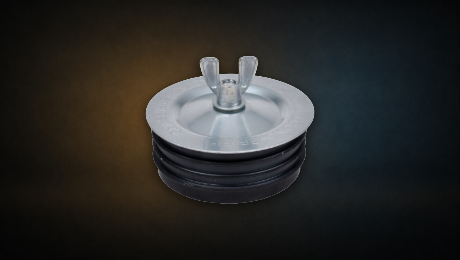
End-of-Pipe Gripper
View category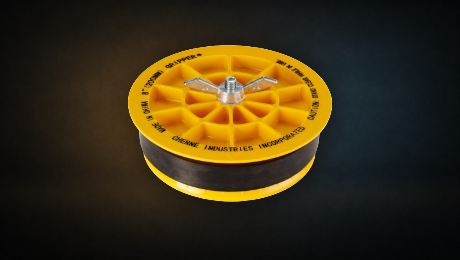
Hub-Fit Gripper
View category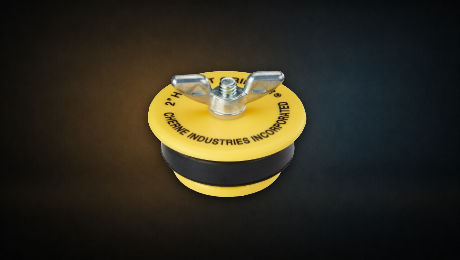
Inside-of-Pipe Gripper
View category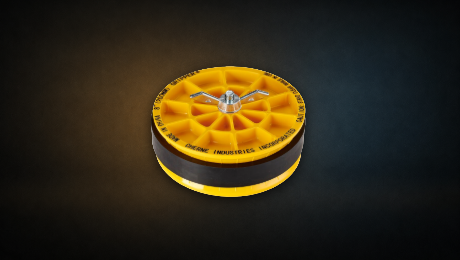
Iron Grip
View category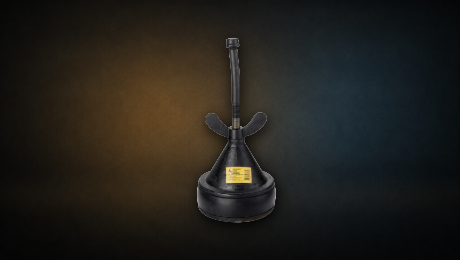
Petro Econ-O-Grip
View category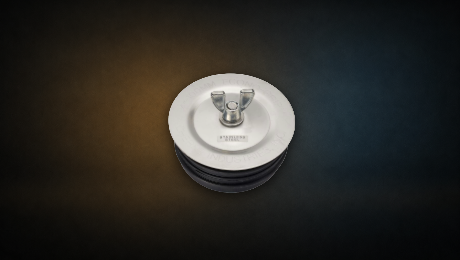
Sure-Grip
View category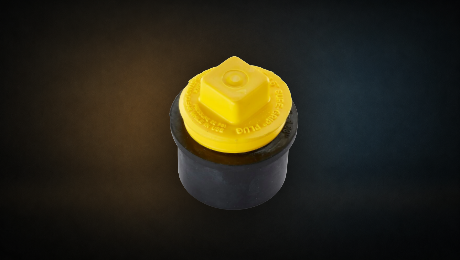
T-Handle Gripper
View category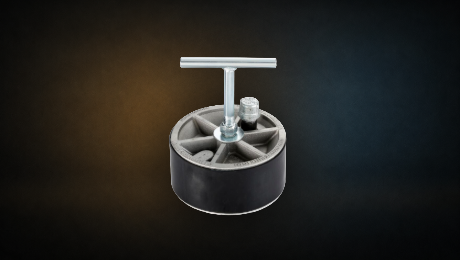
Find mechanical pipe plugs designed for dependable sealing and straightforward installation across plumbing, sewer, drain, and maintenance applications. RTO offers multiple Cherne® plug styles and configurations to accommodate different pipe locations, fitting types, testing requirements, and flow-control needs, making it easier to select the right solution for the job.
Cherne® Clean-Out Gripper® Plugs, made with glass-reinforced ABS plastic, have a natural rubber threaded cleanout plug that is guaranteed to seal most damaged threads.
Cherne® Econ-O-Grip® Plugs are a cost-effective solution for low-pressure blocking applications or for plugging open-ended pipes.
Cherne® End-of-Pipe Gripper® Plugs can be used in applications including DWV (drain, waste and vent) testing and stack testing. End-of-pipe design seals only at the end of a pipe.
Cherne® Hub-Fit Gripper® Plugs are easy to install and ideal for use in hub fittings and bell-end pipes.
Cherne® Inside of Pipe Gripper® Plugs can be used in applications including DWV (drain, waste and vent) testing and stack testing. Inside-of-pipe design allows location of the plug inside the pipe.
Cherne® Iron Grip Bypass Plug can be used for a variety of low-pressure, water/air testing or blocking applications. Its large wing nut design allows for easy, tool-free installation and superior sealing.
Cherne® Petro Econ-O-Grip® Chemical Resistant Plugs are cost-effective, chemical-resistant plugs for low-pressure blocking applications.
Cherne® Schedule 40 Sure-Grip® Plugs can be installed without tools and are ideal for both water and air testing of plumbing systems or blocking stub out lines as a temporary or permanent plug.
Cherne® T-Handle Gripper® Plugs with and without Bypass include a zinc plated steel handle, aluminum body, and a chemical-resistant neoprene O-ring that makes this gripper ideal for long-term plug or bypass applications.
Mechanical pipe plugs provide a reliable, reusable solution for blocking, sealing, testing, and bypassing pipe systems without the need for inflation equipment. RTO offers Cherne® mechanical pipe plugs for a wide range of plumbing, sewer, drain, waste and vent (DWV), stack testing, cleanout, and low-pressure water or air testing applications.
Available designs include cleanout plugs for damaged threads, economical plugs for open-ended pipe blocking, end-of-pipe and inside-of-pipe gripper plugs, hub-fit models for bell-end pipes and fittings, bypass plugs for controlled flow-through applications, chemical-resistant plugs, and tool-free mechanical plugs for temporary or permanent sealing. With multiple materials, sealing configurations, and installation styles available, mechanical pipe plugs offer a practical option for contractors, plumbers, municipalities, maintenance crews, and industrial facilities that need secure pipe isolation or testing across a variety of applications.
Helpful answers
Category Questions
What are mechanical pipe plugs used for?
Mechanical pipe plugs are used to temporarily block, seal, or test pipelines and plumbing systems. Mechanical pipe plugs create a seal inside or at the end of a pipe using mechanical expansion rather than inflation. They are commonly used for DWV testing, plumbing system testing, stack testing, maintenance, and temporary pipe blocking in commercial, municipal, and industrial applications.
How do mechanical pipe plugs work?
Mechanical pipe plugs work by expanding a rubber sealing surface against the inside of a pipe. Most mechanical pipe plugs use a tightening mechanism such as a wing nut, T-handle, or threaded assembly to compress a rubber sealing element. As the rubber expands, it presses against the pipe wall to create a secure temporary seal for testing or blocking applications.
Are mechanical pipe plugs available with bypass capability?
Yes, some mechanical pipe plugs include bypass capability for flow-through or testing applications. Bypass mechanical plugs include an opening or tube that allows water, air, or testing equipment to pass through the plug while the surrounding pipe remains sealed. These plugs are commonly used for low-pressure testing and maintenance operations.
Are mechanical pipe plugs reusable?
Yes, most mechanical pipe plugs are designed for repeated use when properly maintained. Mechanical pipe plugs are manufactured using durable materials such as ABS plastic, aluminum, steel, and chemical-resistant rubber compounds. Proper inspection and maintenance help extend service life and maintain sealing performance
What is the difference between mechanical pipe plugs and inflatable pipe plugs?
Mechanical plugs rely on tightening hardware to compress a rubber sealing element inside the pipe. Inflatable pipe plugs expand using air or inert gas. Mechanical plugs are commonly used for lower-pressure testing, plumbing applications, and quick installation where inflation equipment is unnecessary.
How do I choose the correct Mechanical Plugs?
Choose mechanical plugs by pipe inside diameter, pipe material, available insertion length, required backpressure, whether bypass flow is needed, and the condition of the pipe interior.
What should be checked before installing Mechanical Plugs?
Confirm the actual pipe inside diameter, clean the contact area, inspect the plug and hardware, verify inflation or mechanical expansion limits, restrain the plug against movement, and keep personnel out of the potential ejection zone.