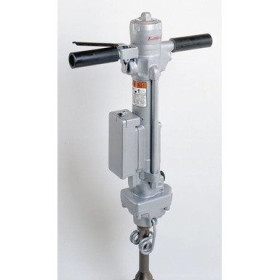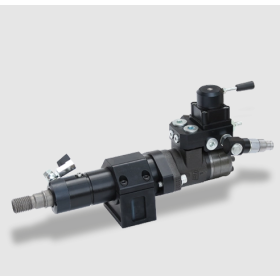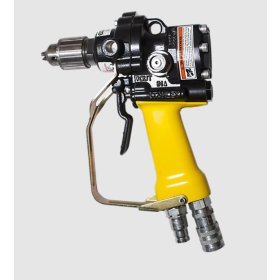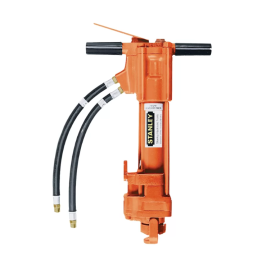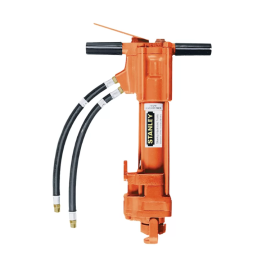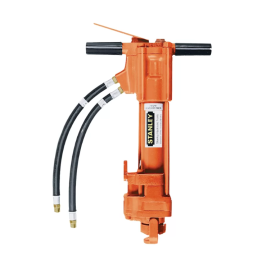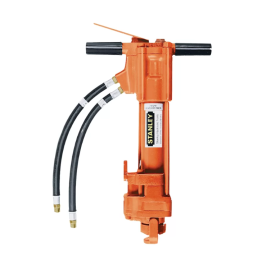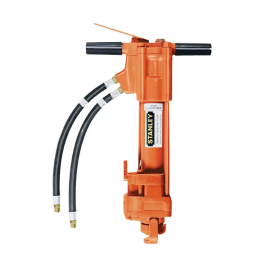


Stanley HD4511001 Hydraulic Hammer Drill Product Guide
The Stanley HD4511001 Hydraulic Hammer Drill is a heavy-duty rotary percussion drill designed primarily for drilling into concrete, rock, masonry, asphalt, and utility substrates. It addresses the common industry challenge of efficient, reliable drilling for holes ranging from 3/4 inch to 2 inches in diameter, with the added capability to core drill up to 4 inches. This tool solves the problem of needing robust, hydraulic-powered drilling performance in demanding construction and industrial environments where pneumatic or electric options may not be ideally suited.
This type of hydraulic hammer drill is frequently used onsite for utility installation tasks, such as gas and water line holes, setting anchor bolts, and drilling through tough structural materials without requiring compressed air or separate flushing systems to clear drill debris. Its hydraulic design supports a smooth 7–9 GPM operating flow and up to 300 RPM speed, offering reliable rotary percussion action with precise operator control via an adjustable forward/reverse function and feathering trigger. For rental or purchase, users often look for a drill capable of handling a broad range of drilling diameters and depths while maintaining manageable weight and ergonomic balance for extended use.
Where This Is Used
- Construction sites requiring core and rotary percussion drilling of concrete and asphalt
- Utility installation projects including gas, water, and service line hole drilling
- Industrial environments with heavy masonry and rock drilling needs
- Infrastructure maintenance involving anchor bolt installation and similar tasks
- Marine and underwater drilling operations, when using compatible underwater models
Key Details
| Equipment Type | Hydraulic rotary percussion hammer drill |
|---|---|
| Operating Environment | Onsite construction, utility, industrial, and underwater environments (optional model) |
| Power/System Match | Hydraulic power system with 7–9 GPM flow requirement |
| Drilling Capacity | Holes from 3/4" to 2" diameter; core drilling up to 4" diameter; maximum depth up to 29" |
| Bit Compatibility | Uses standard 736 Skil hex carbide-tipped drill bits |
| Control Features | Adjustable forward/reverse rotation and feathering on/off trigger for precise drilling control |
Selection Notes
From a selection standpoint, the important details to confirm include the hydraulic flow availability (7–9 GPM) and pressure compatibility with the drill to ensure proper performance. Consider the hole diameter and depth requirements of the job to verify this drill can meet the core or rotary hole sizes needed without requiring additional flushing or clearing systems, which this model does not need. The choice between standard and underwater models depends on whether the task involves marine or submerged drilling situations. Weight and ergonomics should also be considered, as the tool weighs approximately 45 lbs and is designed for extended use in tough conditions. Confirm bit availability and compatibility, particularly the 736 Skil hex specs for the drill bits, to maintain job efficiency.
Drill Setup Notes
Ensure that the hydraulic supply system is properly matched to provide the specified flow and pressure range, and that hose routing allows for operator access and avoids kinks or abrasion. When using underwater models, plan hose layout considering diver access and visibility at the drill site, along with slurry movement management. There is no need for compressed air or fluid flushing attachments as the drill clears debris through its hydraulic action. After use, especially following underwater or marine applications, the tool should be rinsed with clean fresh water (not saltwater) to remove any grit, slurry, or residue and support reliable operation. Inspect bit connections, couplers, and mounting components routinely before starting on new jobs to ensure consistent performance.
The Stanley HD45 Hydraulic Hammer Drill is a professional-grade hydraulic drilling solution built for demanding construction, utility, infrastructure, and industrial applications. Designed to deliver powerful rotary percussion drilling in concrete, rock, masonry, and asphalt, the HD45 combines exceptional drilling performance with the durability and reliability that contractors and utility crews depend on every day.
Ideal for drilling gas and water utility holes, setting anchor bolts, coring applications, and heavy-duty construction projects, the HD45 can drill holes ranging from 3/4 inch (19 mm) to 2 inches (50 mm) in diameter and up to 29 inches (73.7 cm) deep. The tool also supports core drilling up to 4 inches (102 mm) in diameter, making it a versatile solution for a wide range of field operations.
Powered by a high-performance hydraulic system with a 7–9 GPM operating flow range and up to 300 RPM output speed, the Stanley HD45 provides smooth, controlled drilling performance even in the toughest materials. Its feathering on/off trigger and adjustable forward and reverse bit rotation allow operators to maintain precise control for accurate hole placement and easier drill starts.
The HD45 utilizes standard 736 Skil hex carbide-tipped drill bits and eliminates the need for compressed air or fluid flushing systems to clear debris during drilling, helping improve efficiency and reduce jobsite complexity. Built with rugged components and a durable hydraulic design, the tool is engineered to withstand harsh working conditions while delivering consistent performance over long service intervals.
Weighing approximately 45 lbs (20.4 kg), the Stanley HD45 offers a compact and ergonomic design that balances power with maneuverability. Underwater models are also available for marine construction, utility maintenance, and specialized underwater drilling applications.
Key Features
- Heavy-duty hydraulic hammer drill for concrete, masonry, rock, and asphalt drilling
- Drills holes from 3/4" to 2" diameter and up to 29" deep
- Core drilling capability up to 4" diameter
- Adjustable forward and reverse rotation with speeds up to 300 RPM
- Feathering trigger for precise drilling control
- Compatible with standard 736 Skil hex carbide-tipped drill bits
- No fluid clearing system required during operation
- Ideal for utility, construction, industrial, and infrastructure projects
- Durable hydraulic design for demanding jobsite conditions
- Optional underwater models available for marine applications
Applications: Utility construction, gas and water line installation, anchor bolt installation, concrete drilling, masonry drilling, rock drilling, infrastructure maintenance, industrial construction, and underwater drilling operations.
| SKU | 144361 | ||||||||||||||||||
|---|---|---|---|---|---|---|---|---|---|---|---|---|---|---|---|---|---|---|---|
| Weight | 45 | ||||||||||||||||||
| Country of Manufacture | |||||||||||||||||||
| Mfr. Model Number | HD4511001 | ||||||||||||||||||
| Link to User Manual | No | ||||||||||||||||||
| Link to Schematics | No | ||||||||||||||||||
| Link To Catalog | No | ||||||||||||||||||
| Technical Specifications |
|
||||||||||||||||||
| Free Shipping | No |