


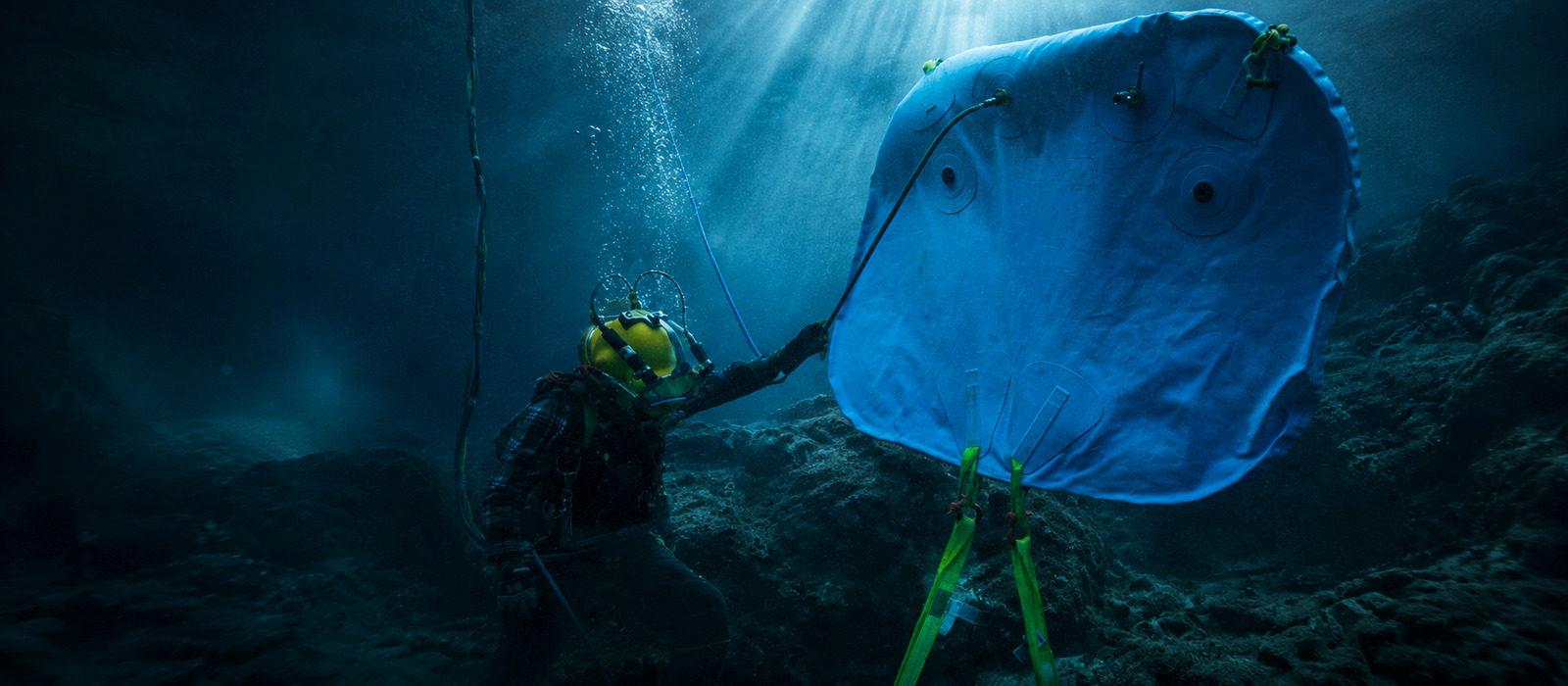
Underwater Lift Bags
Underwater Lift Bags
Rent or buy underwater lift bags, salvage pontoons, marine salvage pillows, and open or closed bottom lift bags for salvage, construction, and recovery from RTO.
Convertible Salvage Bags
View category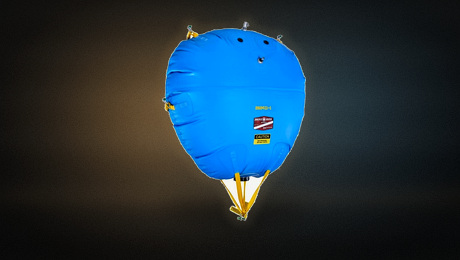
Open Bottom Lift Bags
View category
Closed Bottom Lift Bags
View category
Salvage Pontoons
View category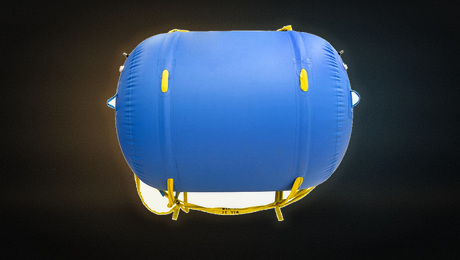
Marine Salvage Pillows
View category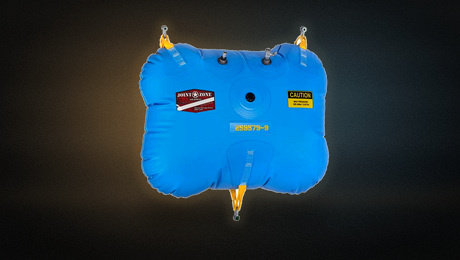
Boulder Bags
View category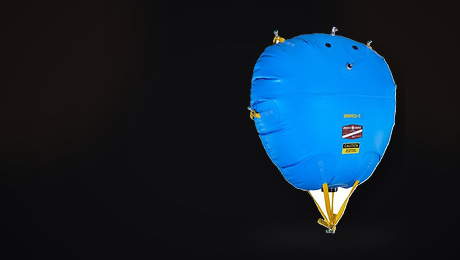
Propeller Bags
View category
Boat Lift Bag
View category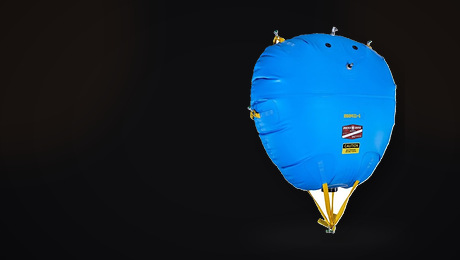
Parts and Accessories
View category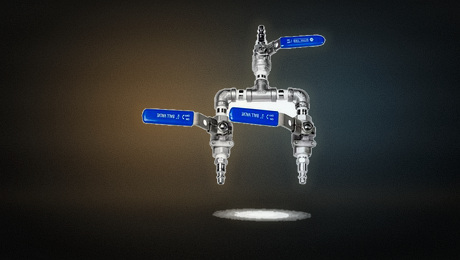
RTO supplies underwater lift bags for marine salvage, commercial diving, underwater construction, object recovery, vessel refloating, pipeline work, dock and marina service, and other projects that require controlled buoyancy. Options include open-bottom lift bags, closed-bottom lift bags, marine salvage pillows, salvage pontoons, convertible salvage bags, boulder bags, propeller bags, boat lift bags, and related rigging and inflation accessories.
Choose a Lift Bag for the Load and Working Conditions
The correct lift bag depends on required lift capacity and safety margin, load shape and balance, water depth, rigging points, operating orientation, inflation source, and whether the load must be raised vertically, stabilized, or moved horizontally. Open-bottom bags are commonly used for vertical lifting and recovery. Enclosed bags and salvage pillows provide controlled flotation in multiple orientations, while pontoons are well suited to long or horizontal loads and shallow-water support.
Helpful answers
Category Questions
What are underwater lift bags used for?
Underwater lift bags are used to raise, move, or stabilize submerged objects during marine salvage, construction, and recovery operations.
How do underwater lift bags work?
Underwater lift bags are secured to a load and inflated with compressed air. As the bag fills, it displaces water and generates upward force. The total lift produced depends on the bag’s volume and the surrounding water conditions. This controlled buoyancy allows divers to safely raise, position, or stabilize objects underwater.
What types of underwater lift bags are available?
The main types are marine salvage pillows, enclosed lift bags, open bottom lift bags, pontoon lift bags, and convertible salvage bags. Each type is designed for specific underwater applications. Enclosed lift bags are often used for controlled lifting and stabilization. Open bottom lift bags are commonly used for deeper water lifting where air expansion must be managed. Pontoon lift bags are used for shallow water flotation and towing support. Convertible salvage bags offer flexibility by functioning in more than one lifting configuration depending on project needs. If you want to explore these options in more detail, see our guide to underwater lift bag types and applications.
What is the difference between open bottom and enclosed lift bags?
Open bottom lift bags are designed for deeper water applications where air expansion must be safely released as the load rises. Enclosed lift bags are sealed and provide more precise buoyancy control, making them ideal for stabilization and controlled lifting in marine construction and recovery.
How much weight can an underwater lift bag lift?
The lifting capacity of an underwater lift bag is based on the amount of water it displaces. Larger bags generate more buoyant force and can lift heavier loads. Multiple lift bags can also be used together to increase total lifting capacity and improve stability. Proper load calculations are essential for safe operation.
How do you rig an underwater lift bag to a load?
Underwater lift bags are rigged using slings, shackles, or lifting points attached securely to the load. Proper rigging ensures even load distribution and stable lifting. Connection points should be strong, balanced, and appropriate for the load shape. In many cases, multiple attachment points are used to prevent shifting during ascent and improve overall control.
What is the difference between lift bag capacity ratings and actual lifting performance?
Capacity ratings reflect maximum buoyant lift, while actual performance depends on conditions such as depth, rigging, and load balance. An underwater lift bag’s rated capacity is based on ideal conditions. In real-world applications, factors like depth, load distribution, and environmental conditions can affect performance. Proper planning and setup help ensure the lift meets operational requirements.
How do I choose the right Lift Bags?
Select lift bags by required lift capacity, water depth or operating pressure, available clearance, attachment points, inflation method, and whether the load must be lifted vertically, stabilized, or moved horizontally.
What safety factors should be considered when using Lift Bags?
Use an appropriate design and rigging safety factor, inspect the bag and hardware before use, control inflation, keep personnel clear of the load path, and follow the manufacturer's instructions for inflation pressure, attachment, and capacity.