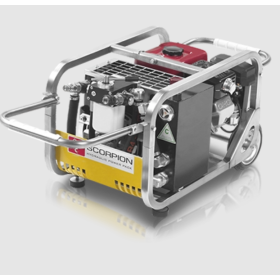
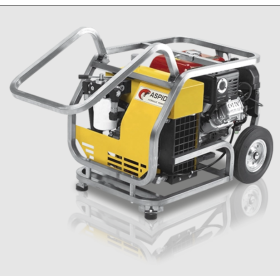
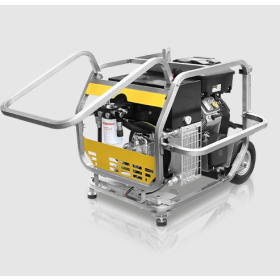
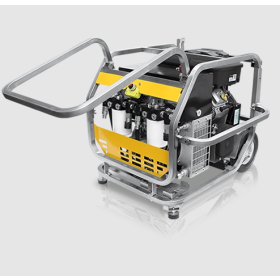
Tehma PP700S High Pressure Gasoline Hydraulic Power Pack Product Guide
How This Power Unit Fits Into A Hydraulic Tool Package
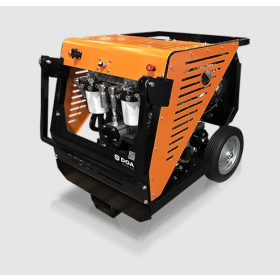
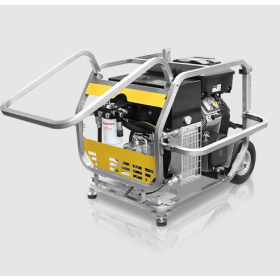
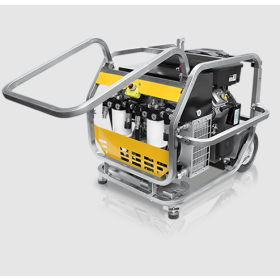
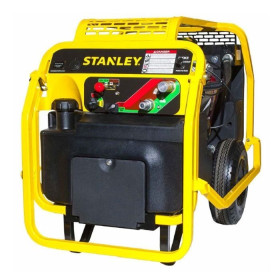
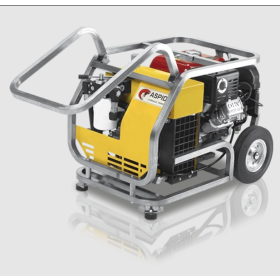
The Tehma PP700S High Pressure Hydraulic Power Pack supplies hydraulic flow using a two-stage pump that supports higher performance levels than typical units within its category. It offers two power options—a 3Hp single-phase electric motor suited for indoor demolition tasks where electric power is available, and a 5Hp gasoline engine intended for outdoor operations. This combination makes the PP700S configurable for various jobsite conditions requiring connected hydraulic tools that demand both high flow and pressure.
This unit’s two-stage pump provides elevated flow and pressure output, allowing connected tools to operate closer to their maximum capabilities. This contrasts with standard single-stage HPUs that may have lower flow or pressure limits. From a selection standpoint, the PP700S is often chosen when tool performance requires these elevated pressures or faster cycle times. The choice between electric or gasoline power depends primarily on the power source availability and work environment—electric motor for indoor and controlled environments, gasoline engine for outdoor or remote locations.
Power Unit Planning Notes
The PP700S ships by freight on a pallet and may require a loading dock, forklift, or liftgate for delivery and unloading. For outdoor gasoline engine operation, plan to position the hydraulic power pack and engine exhaust away from the immediate work face. This placement helps manage fumes and heat, especially if near sensitive surfaces such as fiberglass or coating systems.
The power pack integrates a Cooling System 2.0 that reduces hydraulic oil overheating by about 60%, which supports usability of connected tools during extended or applications and in hot climates. This can be important when operating in environments where ambient temperatures elevate the risk of overheating.
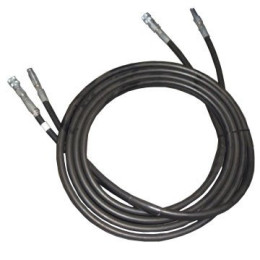
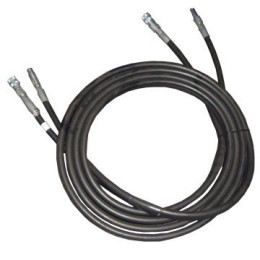
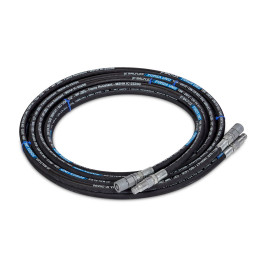
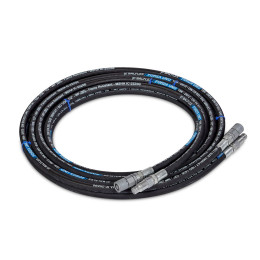
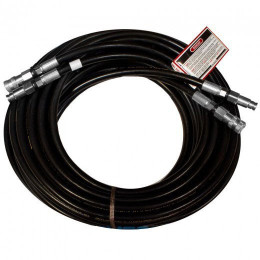
Two hydraulic circuits from the two-stage pump serve tools requiring different flow settings or pressure levels. Hose routing should be arranged to maintain clean, unobstructed flow paths and avoid kinks or abrasion. Verify that hydraulic couplers match connected tools, and that hose length accommodates tool placement while considering friction losses for longer hose runs.
Since this unit is sale-only and not currently available for rent, planning for acquisition should include confirming tool compatibility with the hydraulic parameters and confirming worksite conditions accommodate the power unit’s power source, exhaust needs, and hose routing. For work near water or sensitive environments, verify any fluid requirements in advance, as the unit's compatibility with special hydraulic fluids is not specified.