


CaviDyne Underwater Cleaning Equipment for Marine Growth Removal
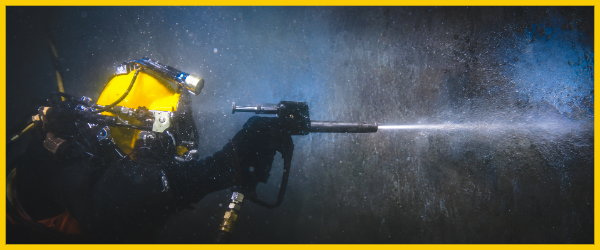
Marine growth has a way of turning routine underwater work into a slower, harder job. A hull that needs inspection, a piling covered in buildup, a sea chest packed with fouling, or a structure with corrosion and coating buildup may need to be cleaned before the real work can begin.
CaviDyne underwater cleaning equipment gives commercial divers and marine crews a way to remove marine growth, fouling, corrosion, and coatings below the waterline. Instead of relying only on hand scraping, brushing, or conventional blasting, CaviBlaster systems use cavitation cleaning to help remove buildup from underwater surfaces more efficiently.
RTO offers CaviDyne underwater cleaning equipment for hull cleaning, marine maintenance, commercial diving, underwater construction, salvage support, and structure cleaning. The right setup depends on what needs to be cleaned, how much buildup is present, the surface material, available power source, and jobsite conditions.
When Marine Growth Gets in the Way
Underwater cleaning is not always the final goal of the job. Sometimes it is the step that has to happen before inspection, repair, maintenance, or recovery work can move forward.
Marine growth can hide welds, fasteners, cracks, corrosion, intake areas, grates, running gear, and structural details that crews need to see clearly. On vessels, buildup can affect hull condition, performance, and access to components below the waterline. Around docks, piers, pilings, seawalls, and marine structures, fouling can make inspection and repair work slower and more difficult.
That is where underwater cleaning equipment becomes useful. The goal is not just to make the surface look better. The goal is to give the crew better access to the surface so they can inspect, maintain, repair, or prepare it properly.
How Cavitation Cleaning Helps
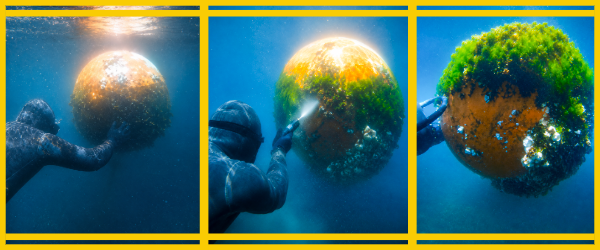
CaviBlaster systems use cavitation cleaning to remove marine growth and buildup from underwater surfaces. In practical terms, the system creates cavitation energy at the cleaning nozzle, helping break away fouling and deposits without depending only on impact force from high-pressure water.
For divers, that matters because underwater cleaning can be physically demanding. A tool that removes buildup more efficiently can help reduce time spent scraping, brushing, or repeatedly working the same area.
Cavitation cleaning can be used on many underwater surfaces, including steel, concrete, wood, rubber, fiberglass, fabric, and coated surfaces. The surface material, coating condition, type of buildup, and required cleaning result should all be reviewed before selecting equipment.
Common Underwater Cleaning Applications
CaviDyne underwater cleaning equipment can support a wide range of marine and commercial diving work.
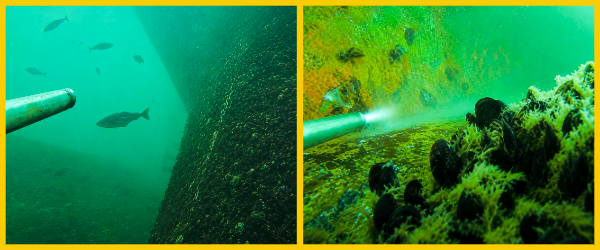
Common applications include hull cleaning, marine growth removal, corrosion removal, coating removal, vessel maintenance, sea chest cleaning, grate cleaning, running gear cleaning, thruster and propeller cleaning, piling cleaning, pier and seawall cleaning, and cleaning around complex underwater structures.
These systems can also be useful for ropes, lines, nets, aquaculture equipment, and other submerged materials where marine fouling needs to be removed.
For many projects, cleaning is part of a larger job. A diver may need to clean an area before inspection. A contractor may need to expose a surface before repair. A vessel crew may need growth removed from areas that affect operation or maintenance access. The cleaning equipment should match that larger purpose.
Choosing the Right CaviBlaster Setup
The right CaviBlaster setup depends on the jobsite and the cleaning requirement. A small cleaning project near a marina does not need the same equipment setup as a larger commercial diving or offshore maintenance job.
Gasoline-powered CaviBlaster systems can be useful when the crew needs a portable surface-powered unit and gasoline operation fits the site. Diesel-powered systems may be preferred for heavier commercial or marine work where diesel power is already part of the jobsite setup. Electric CaviBlaster systems may make sense where electric power is available and combustion engines are not preferred.
Submersible and ROV-compatible CaviBlaster systems are designed for specialized underwater cleaning work where the cleaning equipment is deployed below the surface or used with remotely operated vehicles. These setups are more project-specific and should be matched carefully to the ROV, cleaning tool, lance configuration, power source, and operating environment.
The important point is that “underwater cleaning” is not specific enough by itself. Contractors should confirm the cleaning surface, buildup type, water depth, available power source, hose setup, tool or lance style, and required cleaning result before choosing a system.
What Contractors Should Confirm
Before renting or purchasing CaviDyne underwater cleaning equipment, contractors should be ready to discuss the job in practical terms.
Important details include:
- Surface material being cleaned
- Type and severity of marine growth or buildup
- Whether the goal is light cleaning, heavy fouling removal, corrosion removal, or coating removal
- Water depth and underwater access
- Available power source
- Hose length and setup requirements
- Cleaning tool, gun, or lance configuration
- Whether the work is diver-operated, surface-supported, or ROV-based
- Whether the project involves a hull, piling, seawall, pier, sea chest, grate, running gear, propeller, thruster, rope, line, net, or other structure
- Rental or purchase availability for the required model
These details help determine whether the job calls for a gasoline, diesel, electric, submersible, or ROV-compatible CaviBlaster system.
Cleaning Before the Real Work Starts
Underwater cleaning is often about access. If marine growth is covering the surface, the crew may not be able to inspect it, repair it, prepare it, or evaluate it properly.
CaviDyne underwater cleaning equipment helps commercial divers and marine contractors remove buildup so the next step of the job can happen with better visibility and control. Whether the project involves hull maintenance, marine growth removal, underwater inspection, structure cleaning, or salvage support, the right cleaning setup can save time and reduce unnecessary manual effort below the waterline.
If you have questions about CaviDyne underwater cleaning equipment for hull cleaning, marine growth removal, commercial diving, or underwater maintenance, contact RTO to discuss your project requirements.