


Inflatable Pipe Plugs for Blocking, Bypass, and Pipe Isolation
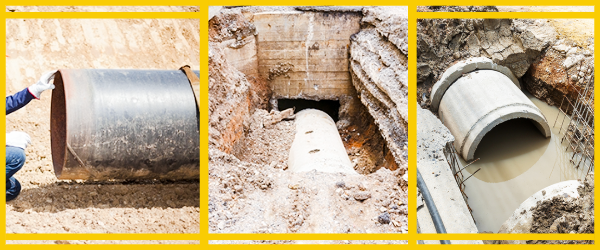
Inflatable pipe plugs look simple until the job depends on one holding exactly where it is supposed to.
A plug may need to stop flow, isolate a section of sewer, hold against back pressure, allow bypass pumping, fit through a manhole, or work inside a pipe exposed to chemicals or rough surfaces. The pipe diameter is only the beginning of the selection process.
RTO supplies inflatable pipe plugs for rent and sale for commercial, municipal, industrial, sewer, storm drain, and large-diameter pipe applications. The right plug depends on the pipe, the pressure, the access, and what the crew needs the line to do while the plug is in place.
The Pipe Diameter is Only the Starting Point
Pipe size matters, but it does not tell the whole story.
The actual inside diameter, pipe shape, available insertion length, access opening, pipe condition, and expected back pressure all affect whether a plug will work safely and effectively. A plug that technically covers the pipe diameter range may still be the wrong choice if it cannot be positioned correctly, restrained properly, or used within its pressure limits. This is especially important with multi-size plugs. Their flexibility makes them useful across a range of diameters, but the crew still needs to confirm the actual pipe dimensions and make sure the plug can be installed and inflated within the manufacturer’s rated range.
Blocking or Bypass changes the Plug
One of the first decisions is whether the line needs to be completely blocked or whether flow still needs to pass through.
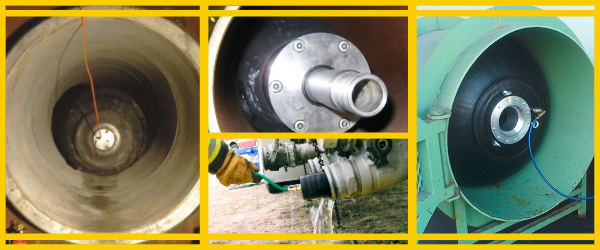
A blocking plug is used when the goal is to stop flow or isolate a section of pipe. A bypass plug works differently. It includes a rigid center tube or bypass port so flow can continue through the plug during bypass pumping, pressure testing, flow control, monitoring, or maintenance. Once bypass is required, the plug configuration changes along with the rest of the setup. The crew also needs to think about bypass size, pumping requirements, and how the flow will be managed while the plug is in place.
Back Pressure is Different From Inflation Pressure
This is one of the most important distinctions on the job. Inflation pressure is the pressure used to expand the plug against the inside of the pipe. Back pressure is the pressure the plug is expected to resist from the liquid, air, or test pressure on the blocked side.
A plug can be inflated correctly and still be overloaded if the back pressure exceeds its rating. That is why plug selection should be based on both pipe size and expected back pressure, not diameter alone. For larger sewer, storm drain, and pipeline work, this becomes even more important because the force acting against the plug increases quickly as pipe diameter and pressure increase.
Access Can Change the Plug Style
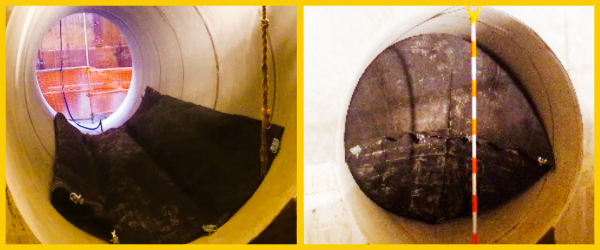
Large pipe does not always mean large access. A crew may need to place a plug inside a large sewer or storm drain through a standard manhole or another restricted opening. That is where pillow-style large-diameter plugs become useful. SAVA pillow-style plugs can be folded while deflated, inserted through limited access points, positioned inside the pipe, and then inflated in place. RTO carries large-diameter pillow-style plugs covering ranges such as 24–40 inches, 48–64 inches, 64–80 inches, 75–88 inches, and up to 96–100 inches.
The key point is practical: a plug that fits the pipe still has to fit through the access point.
Pipe Condition and Restraint Matter Before Inflation
An inflatable pipe plug depends on good contact with the pipe wall. Before installation, the crew should confirm the actual inside diameter, clean the contact area, inspect the plug and hardware, and make sure the pipe interior does not contain sharp debris or conditions that could damage the plug. Inflated plugs can be subjected to significant force from back pressure, so they should be restrained against movement and personnel should be kept out of the potential ejection zone.
The plug provides the seal. It should not be treated as its own restraint system. That is why a proper pipe plug setup includes more than the plug alone: inflation equipment, hoses, controllers, restraint, bypass connections, and site conditions all need to work together.
Chemical Exposure Can Change the Material
Standard plug material is not appropriate for every environment. RTO offers SAVA plugs made from NR-SBR rubber for general municipal, industrial, sewer, and construction applications. For corrosive or chemically exposed environments, chemical-resistant chloroprene versions are also available. If the line contains chemicals, contaminated wastewater, industrial process fluids, or other aggressive materials, the plug material should be checked before the job.
Chemical compatibility is not something to assume from pipe size or pressure rating.
The Right Plug is Part of the Whole Setup
Selecting an inflatable pipe plug comes down to more than finding one that fits the diameter.
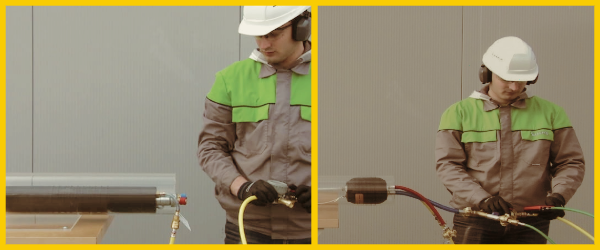
The crew needs to know whether the line will be blocked or bypassed, how much back pressure the plug must hold, how the plug will get into position, what condition the pipe interior is in, whether chemical exposure is a concern, and how the plug will be restrained once inflated.
That is where pipe plug rental can be especially useful. RTO offers selected inflatable pipe plugs for rent, including large-diameter and municipal options, so crews can match the plug to the project without purchasing equipment that may only be needed for a specific job.
For help selecting inflatable pipe plugs, large pipe plugs, bypass plugs, or chemical-resistant options, contact RTO with the pipe inside diameter, expected back pressure, blocking or bypass requirement, access conditions, and project dates.