


Viking Drysuits for Commercial Diving, Resue, and Contaminated water work
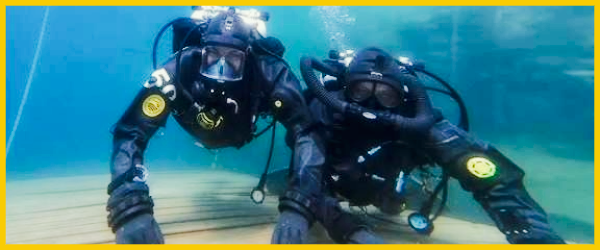
A drysuit is easy to underestimate until the driver is already in the water. Cold exposure, contaminated water, abrasive surfaces, long work windows and limited mobility can all turn the wrong suit into a serious problem.
Viking drysuits are used by commercial divers, rescue teams, public safety crews, military divers, and underwater workers who need exposure protection matched to the job the right suit depends on more than size. It depends on water conditions, exposure risk, work being performed, required mobility, suit material, seal configuration, boots, valves, and compatibility with the rest of the dive equipment.
RTO offers Viking drysuit options for commercial diving, marine construction, inspection, salvage support, rescue work and contaminated water applications.
Protection Depends on the Dive Environment
A drysuit is not just about keeping water out. For professional divers, the suit affects warmth, mobility, contamination protection, abrasion resistance, and overall workability below the surface.
A rescue diver entering unknown water may need a suit that supports fast deployment and unpredictable conditions. A commercial diver working around pilings, steel, concrete, holes, debris, or sharp edges may need stronger abrasion resistance and reinforced wear areas. A contaminated water dive requires a more serious discussion about suit material, seals, hood or yoke setup, decontamination, and equipment compatibility.
The question is not simply “what size drysuit do we need?” The better question is: what conditions does the suit need to protect against, and what does the diver need to do while wearing it?
How Viking Drysuits Differ
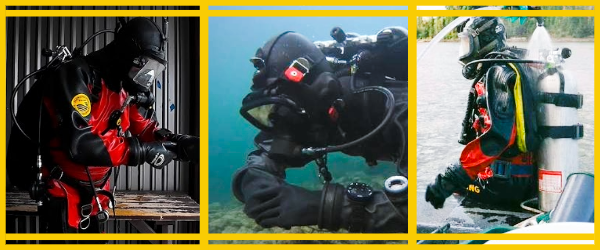
Different Viking drysuit styles are built around different levels of exposure protection, durability, and operational use.
Viking Pro and Protech drysuits may be used for commercial diving, inspection, maintenance, public safety, and marine work where the crews need reliable dry protection, flexibility, and job site durability without moving into the heaviest contaminated water configuration.
Viking Heavy Duty drysuits are better suited for harsh commercial environments where abrasion-resistant matters. Divers working around concrete, steel, pilings, holes, rough structures, or debris may need heavier exterior material, reinforced shoulders, protected boots, durable zippers, and stronger wear protection.
Viking Haztech drysuits are designed for contaminated water work where the suit is part of the exposure control plan. In these applications, crews need to think beyond comfort and consider likely contaminants, seal configuration, hood or yoke setup, decontamination procedures, and compatibility with surface supplied diving equipment.
Viking Rescue suits are used for rescue and public safety operations where readiness, fit, mobility, and repeated use matter. These suits are often selected by fire departments, law enforcement teams, and public safety dive units working in unpredictable water conditions.
Viking Hot Water suits are different from standard drysuits. They are used when the dive plan includes heated water delivery to help manage cold exposure during extended or demanding work.
What to Confirm Before Choosing a Viking Drysuit
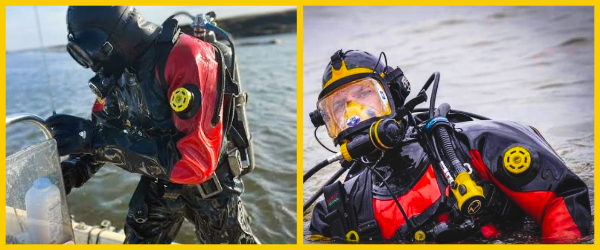
Before choosing a Viking drysuit, crews should be clear about three things: the water, the work and the diver setup.
The water determines the exposure concern. Cold temperatures, long dive times, unknown water quality, or contamination risk may change the suit material, seal configuration, and protection level required. The diver set up determines compatibility. Suit sizing, undergarments, seals, hood and yoke configuration, boots, valves, zipper placement, helmet compatibility, and surface supplied equipment should be reviewed before ordering or specifying a suit. These details help narrow the choice between Viking drysuits without treating every drysuit as interchangeable.
Choosing the suit around the job
The right Viking drysuit should support the full dive plan. It needs to protect the diver, hold up to the environment, allow the necessary movement, and work with the rest of the dive equipment. For help selecting Viking drysuits for commercial diving, rescue operations, contaminated water work, or marine maintenance, contact RTO to discuss your project requirements.