


Underwater Magnet Guide for Commercial Diving, ROV Work, and Marine Operations
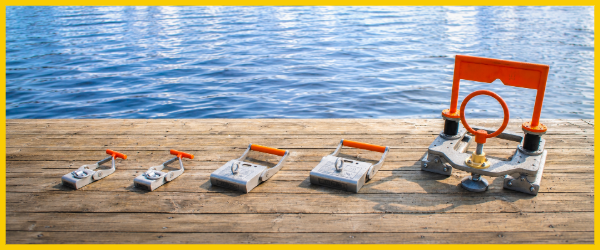
Underwater magnets give divers, ROV operators, and marine crews a removable way to attach, hold, mount, or stabilize equipment on suitable steel surfaces below the waterline. RTO offers Blumags underwater magnet rental options for commercial diving, offshore work, marine repair, sensor mounting, ROV support, temporary mooring, oil containment boom support, and project-based underwater operations.
The first question is not simply “how strong is the magnet?” It is “what needs to stay in place, and who or what is placing it?” A diver placing a compact magnet by hand has different needs than an ROV anchoring to a large offshore structure or a crew securing a containment boom at the waterline.
What Are Underwater Magnets?
Underwater magnets are marine-grade magnets designed to attach to steel and other ferrous surfaces in submerged environments.
Their value is in creating a strong, reusable attachment point without drilling, welding, or permanent modification in many applications. Blumags offers underwater magnet options for diving, marine, offshore, subsea, and ROV-related work. Their main product families include Flipper, Willy, and Moby magnets. Blumags magnets are designed with stainless-steel housings and neodymium magnetic cores for use in wet and marine environments. Magnets can work underwater because water does not prevent the magnetic field from functioning, but real-world performance still depends on surface condition, contact area, holding-force needs, and how the magnet is being used.
What Are Underwater Magnets Used For?
Underwater magnets are used when divers, ROV operators, or marine crews need a temporary, reusable, or long-term attachment point on a suitable steel surface.
Common applications include:
- Securing equipment underwater
- Helping divers maintain position
- Creating anchoring points for ROVs
- Mounting sensors or monitoring equipment
- Supporting marine repair and maintenance
- Temporary mooring or attachment on steel surfaces
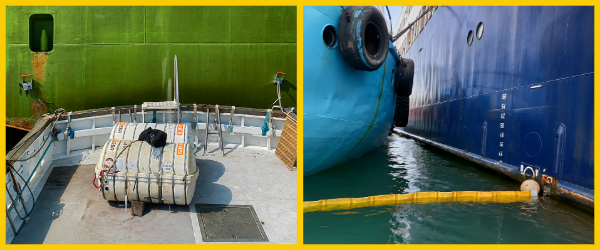
- Holding oil containment booms against vessel hulls
- Work around ship hulls, offshore jackets, monopiles, wrecks, and other steel structures
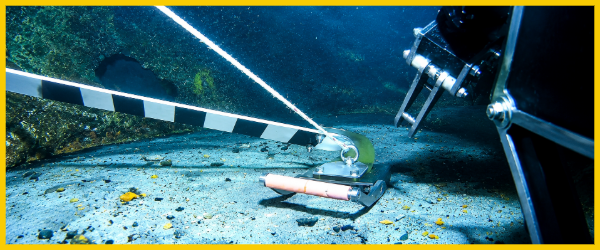
Blumags’ own field examples show how broad the applications can be. In one case, a Willy 500 magnet was used by an ROV to mount a yardstick on the wreck of Blücher so movement in a hull crack could be monitored over time. In another application, Willy magnets have been used to secure oil containment booms to ship hulls at the waterline, helping close the gap between the boom and the vessel side. Blumags has also described marine magnets being used as temporary mooring points for workboats.
That is why magnet selection should start with the job, not just the published holding force. A diver securing a small item, a crew attaching a boom, and an ROV trying to hold position near an offshore structure all need different setups.
Choosing the Right Blumags Underwater Magnet
Flipper Series
Blumags Flipper magnets are compact, diver-friendly magnets designed for lighter underwater tasks where portability and hand operation matter.
They can be a practical choice for securing equipment, supporting diver positioning, mounting smaller items, or creating quick attachment points on suitable steel surfaces. For this type of work, handling is often just as important as holding force. A magnet that is easy to carry, place, release, and reposition may be more useful than a larger magnet that is harder to manage underwater.
Willy Series
Blumags Willy magnets are built for heavier-duty diving and marine applications. They provide higher holding force than the Flipper series while still supporting hand-operated use. The Willy series can be a good fit when divers or marine crews need stronger attachment points for equipment, mooring support, oil boom support, rigging tasks, or work in more demanding underwater conditions.
In practical terms, Willy magnets sit in the middle of the range: stronger than compact diver magnets, but still useful for diver-operated and marine work. Blumags’ Blücher and oil containment examples also show why this series can be valuable beyond simple diver positioning. Willy magnets can support real marine tasks where a removable steel attachment point is needed and permanent modification is not practical.
Moby ROV Magnets
Blumags Moby magnets are designed for ROV applications and larger offshore work. They provide a high holding force for situations where an ROV needs a stable anchoring point on a steel structure. ROVs can be affected by current, wave motion, and positioning challenges during detailed tasks. A dedicated ROV magnet can help create a stable point of contact so the vehicle can maintain position more effectively during offshore or underwater operations.
Moby is best understood as an ROV and offshore magnet rather than a general diver-carried magnet. It is the better fit when the job involves work-class ROV deployment, larger steel structures, or higher holding-force requirements.
A Common Mistake When Selecting an Underwater Magnet
One common mistake is choosing an underwater magnet based only on its maximum holding force. Holding force matters, but it is not the only factor. Surface condition, contact area, attachment angle, handling method, and release requirements all affect how well a magnet performs in the field. For example, Blumags’ Blücher case required the ROV team to scrape marine growth from the hull before the magnet was placed. That kind of detail matters. A magnet can only perform well if it has suitable contact with the steel surface. A compact diver-operated magnet may be better when the job requires frequent placement and repositioning. A larger magnet may be better when the job requires higher holding force, stronger attachment, or ROV-based positioning.
A good rule of thumb is this: choose a diver-operated magnet when handling and repositioning matter most, and choose a larger offshore or ROV magnet when holding force and stability matter most.
What Should Contractors Consider Before Renting?
Before renting an underwater magnet, contractors should identify what needs to be held, where the magnet will attach, and whether the magnet will be handled by a diver, workboat crew, or ROV. Important selection factors include holding-force requirement, surface material, surface condition, available contact area, rigging or attachment needs, release method, and whether the magnet needs to be temporary, reusable, or used for longer-term installation. Paint, corrosion, marine growth, curvature, and limited contact area can all affect magnet performance. These details should be considered before choosing between a compact diving magnet, a heavier-duty marine magnet, or an ROV-focused magnet.
Supporting Underwater Attachment and Positioning Work
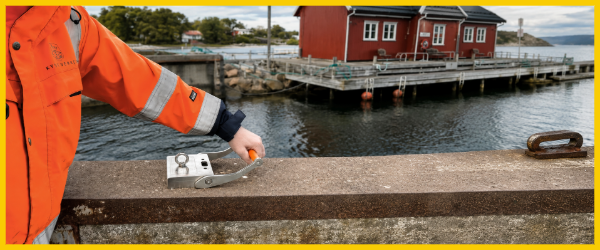
Underwater magnets give divers, ROV operators, and marine crews a practical way to create attachment points on suitable steel surfaces without relying on hydraulic power, drilling, or permanent modification in many applications.
The best starting point is identifying the task, the surface, the required holding force, and the handling method. Selecting the correct Blumags magnet helps crews support underwater equipment handling, positioning, mounting, mooring support, ROV work, and marine operations more efficiently.
If you have questions about underwater magnets or need help selecting the right rental equipment, contact RTO to discuss your project requirements.