


Which Underwater Applications Require Hydraulic Tools?

Underwater work, whether for marine construction or commercial salvage operations, presents unique challenges that require workers to use specialized equipment. Hydraulic tools are indispensable and offer the necessary power, precision, and reliability to perform complex tasks in underwater environments.
In this comprehensive guide, we’ll highlight which underwater applications require hydraulic tools so you can get the best hardware for every job.
Understanding Hydraulic Systems: Basics Explained
Before diving into applications, it’s crucial to understand the fundamentals of hydraulic systems. These systems use fluid pressure to generate force and motion, making them efficient and powerful.
The basic components include a hydraulic pump, hydraulic fluid, valves, actuators, and hoses. The pump moves the fluid through the system, while the valves control the flow and direction.
Actuators, such as hydraulic cylinders and motors, convert the fluid pressure into mechanical force. Now that you have a firmer grasp of how they operate, let’s assess the biggest benefits of hydraulic tools for underwater uses.
Key Benefits of Hydraulic Systems
One of the primary benefits of hydraulic systems is their high power density. Hydraulic systems can generate a significant amount of power relative to their size, making them ideal for compact underwater tools.
Additionally, the ability to control hydraulic pressure allows for precise movements and adjustments, which is essential for workers performing underwater. Hydraulic systems can withstand extreme conditions, including high pressure, corrosion, and temperature variations common underwater.
Tools and Applications
Thankfully, you can find a wide array of high-quality tools that will help in various underwater applications. For example, our underwater tools at Rental Tools Online include hydraulic tools, lift bags, pneumatic tools, metal detectors, and cordless tools that are perfect for underwater conditions. Instead of buying tools, you can rent them to ensure you have high-quality materials for that project without the costs of long-term term storage and maintenance.
Among our underwater hydraulic tools are hydraulic drills, grinders, impact wrenches, portable power units, and more. Now, we’ll explore the key applications in which these tools shine, highlighting where you can find your niche in marine applications. This extensive range of tools ensures you can work on many projects, including marine construction and commercial salvage.
Marine Construction
Marine construction operations require building materials that will withstand corrosion and other potential problems that moisture introduces in these applications. The same principle applies to tools that must remain usable for the whole project and, ideally, long after.
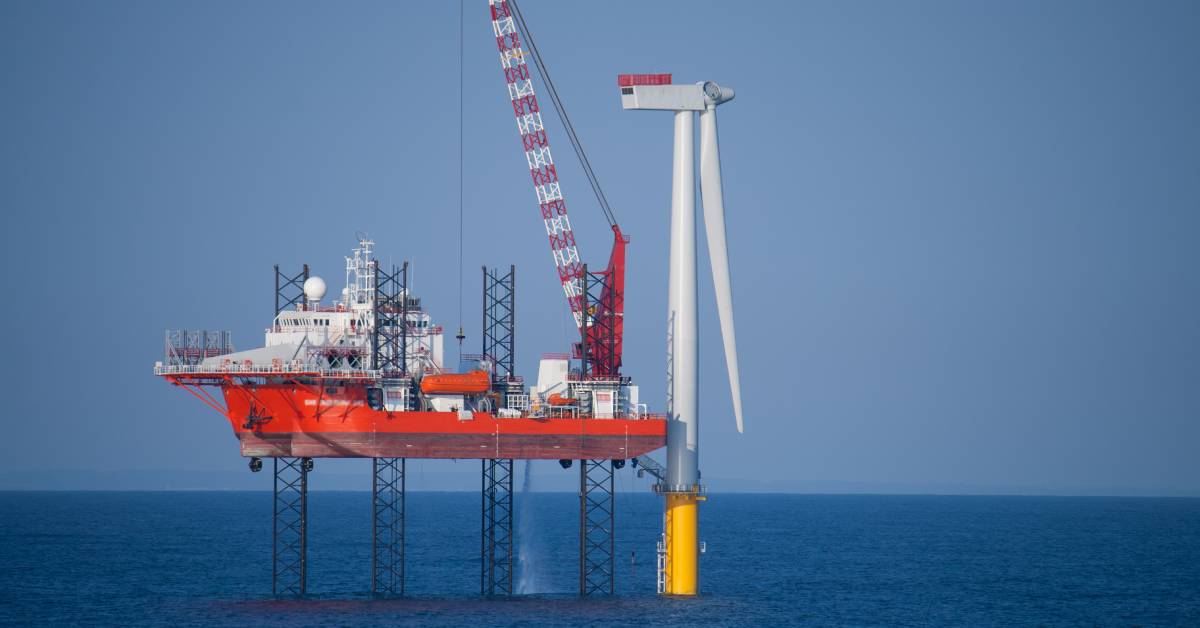
Hydraulic tools are essential in marine construction for various tasks. These applications often require powerful and precise tools to work underwater. Hydraulic-powered cutting tools, such as chainsaws and rotary cutters, can help workers handle metal and concrete structures submerged in water.
Hydraulic hammers and drills are necessary for constructing underwater foundations for piers, bridges, and offshore platforms. They penetrate deep into the seabed, ensuring stable and secure foundations.
A hydraulic hammer drill is indispensable in underwater construction and salvage operations that require heavy-duty drilling into hard substrates. This tool is essential for installing anchor points, constructing subsea foundations, and securing platforms. Its power and precision enable penetration through rock, concrete, and other dense materials in the seabed.
Commercial Salvage Operations
Hydraulic tools play a vital role in commercial salvage operations, enabling the recovery of valuable materials and debris from submerged locations. Hydraulic cranes and winches are common for heavy lifting and are capable of raising heavy debris and shipwreck materials from the seabed.
The hydraulic reciprocating saw is another essential cutting tool for underwater operations. The precision and power of hydraulic saws allow for clean, accurate cuts, which are crucial for the successful execution of underwater projects.
Underwater Maintenance and Repairs
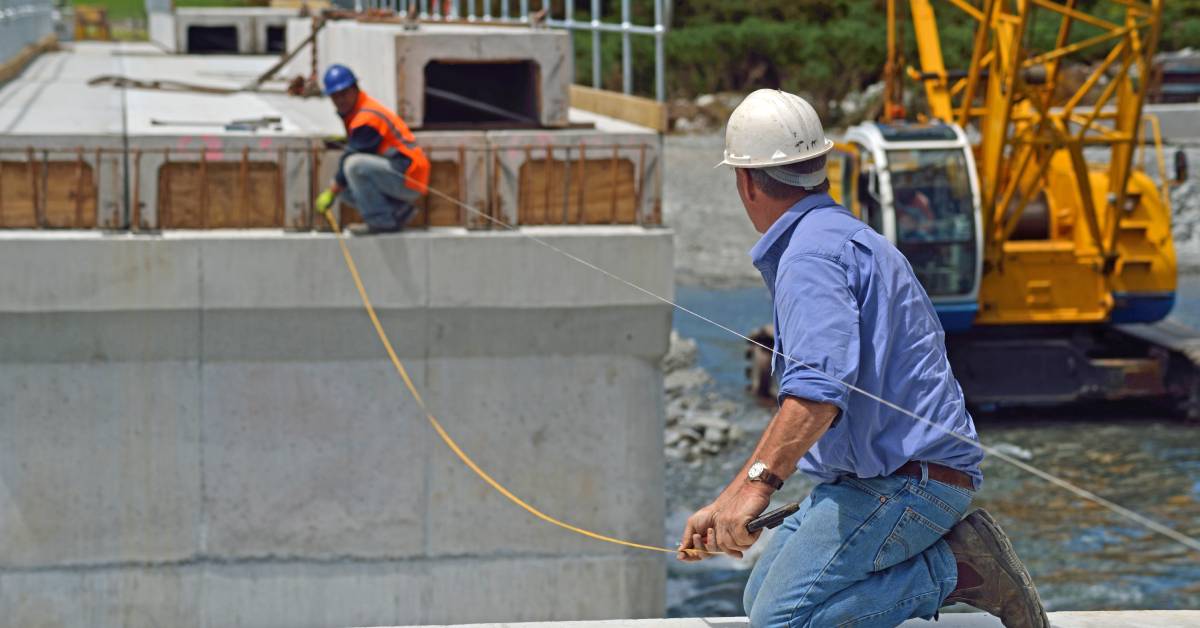
Underwater repairs and maintenance work require workers to use durable and reliable hydraulic tools. Utilized primarily in marine construction and repair, the hydraulic chipping hammer is ideal for breaking and removing concrete and other hard materials underwater.
The chipping hammer is also effective for demolishing deteriorated structures, removing aquatic growth, and preparing surfaces for new construction. Its high impact energy ensures efficient and rapid material removal, making it invaluable for underwater demolition and renovation tasks.
Hydraulic torque wrenches are essential for tightening and loosening bolts and fittings on underwater structures, ensuring secure and stable installations.
The versatility, power, and reliability of hydraulic tools make them indispensable across a wide range of applications. Whether it’s marine construction, commercial salvage, or underwater maintenance, hydraulic tools are the backbones of productive underwater operations.
Underwater Hydraulic Tools & Best Practices
Now that you know which underwater applications require hydraulic tools, we can highlight how to use them. Regular maintenance of hydraulic tools is essential to prevent malfunctions and extend their lifespan.
Operators with training on using hydraulic tools maximize efficiency and safety. Additionally, using submersible hydraulic pumps to manage water levels can keep the working area clear of water and improve visibility.
Given how many hydraulic tools are available for underwater application, you must determine which ones are best for the job before you get to work. Conducting thorough site assessments can help in choosing the best hydraulic tool for the job.
Using hydraulic tools equipped with vibration monitoring systems can reduce the risk of structural damage to the work site. Moreover, you should minimize the environmental impact on operations by using eco-friendly hydraulic fluids and following environmental guidelines. Utilizing specialized hydraulic tools designed for deep-sea operations can enhance efficiency and safety.
Collaborating with environmental agencies and organizations can enhance the success of cleanup projects. You must also follow safety protocols to protect divers and equipment during underwater operations. Maintaining clear communication between surface teams and underwater operators is crucial for everyone’s safety.
Prepping for Your Next Project
Hydraulic tools are indispensable in underwater applications, from marine construction to commercial salvage operations. These tools prove their worth time and again.
Stay ahead of the curve by investing in the latest hydraulic technology and adopting best practices. Whether you’re a seasoned professional or new to the field, you should take advantage of continuous learning and adaptation. Provide your team with the right tools and knowledge to tackle any underwater challenge. Explore the wide range of hydraulic and non-hydraulic underwater tools at Rental Tools Online today.