


Underwater Hydraulic Impact Wrenches for Subsea Bolting and Fastening
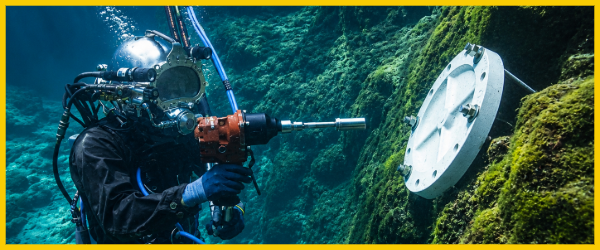
Underwater hydraulic impact wrenches are used by commercial divers, marine contractors, and subsea maintenance crews for bolting, fastening, loosening, anchor driving, and structural assembly below the waterline. These tools provide high-torque performance for underwater construction, marine repair, offshore maintenance, dock and pier work, and other demanding subsea applications where reliable fastening power is required. RTO offers underwater hydraulic impact wrench rental options for short-term and project-based work.
Underwater fastening work often involves rusted hardware, limited visibility, difficult positioning, and high torque requirements. Hydraulic impact tools give crews the power needed to tighten or remove bolts, drive anchors, and complete structural work in submerged environments where standard tools are not practical.
What Are Underwater Hydraulic Impact Wrenches?
Underwater hydraulic impact wrenches are hydraulic-powered fastening tools designed to tighten, loosen, or drive bolts, nuts, anchors, and other hardware in submerged environments.
Unlike electric or pneumatic tools, underwater hydraulic impact wrenches operate using hydraulic flow supplied by a compatible power unit. This makes them useful for commercial diving, marine construction, offshore maintenance, and subsea repair work where torque output, reliability, and wet-environment performance are essential.
What Are Underwater Hydraulic Impact Wrenches Used For?
Underwater hydraulic impact wrenches are commonly used for fastening and loosening work below the surface. They are especially useful when divers need controlled torque for structural assembly, repair, or disassembly in marine environments.
Common applications include:
- Underwater bolting and fastening
- Anchor bolt driving
- Flange work and pipeline maintenance
- Dock, pier, and seawall repair
- Marine construction and subsea assembly
- Removing rusted or seized hardware
- Offshore platform and subsea structure maintenance
- Commercial diving maintenance projects
In dock and pier repair, divers may use hydraulic impact tools to remove corroded fasteners or install new structural hardware. In offshore and subsea maintenance, these tools may support flange work, bracket installation, structural fastening, or equipment removal where torque consistency and tool control matter.
When Are Underwater Hydraulic Impact Wrenches Most Useful?
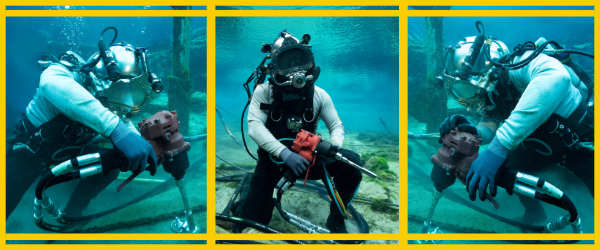
Underwater hydraulic impact wrenches are especially useful when divers need high torque in a submerged environment where standard fastening tools are not practical. They are often selected for jobs involving rusted hardware, large fasteners, structural bolting, flange work, dock repair, and subsea assembly.
These tools are particularly valuable when the work requires both fastening power and diver control in limited visibility or restricted access conditions. For example, a diver working around a flange, piling, bracket, or structural connection may need enough torque to loosen or tighten hardware while still maintaining control of the tool and socket position.
Choosing the correct torque range is important because an undersized impact wrench may not loosen seized hardware, while an oversized tool may be harder for a diver to control in confined underwater conditions.
Why Use Hydraulic Impact Wrenches Underwater?
Hydraulic impact wrenches are often preferred underwater because they provide high torque output in a compact, diver-manageable tool. For commercial diving crews, hydraulic tools also integrate well with underwater hydraulic systems and power units commonly used on marine jobsites.
The impact mechanism helps deliver torque while reducing continuous reaction force to the operator compared with some direct-drive fastening methods. This can improve diver control during repetitive bolting or loosening work, especially when working in awkward positions or limited visibility.
Hydraulic power also supports reliable performance in demanding underwater conditions. When crews are dealing with corroded bolts, large fasteners, or subsea assemblies, having the correct impact wrench can help reduce downtime and keep repair or construction work moving efficiently.
Key Features to Consider
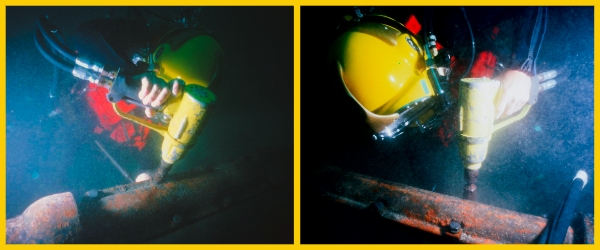
When selecting an underwater hydraulic impact wrench, contractors should consider torque range, drive size, hydraulic flow requirements, handle design, reversing control, and socket compatibility.
Important features may include:
- Adjustable impact intensity or torque range
- High-torque hydraulic motor for demanding fastening work
- Forward and reverse operation for tightening and loosening
- Shock-absorbing or insulated handles for diver comfort
- Trigger or feathering control for power modulation
- Sealed mechanisms and corrosion-resistant components
- Quick disconnect couplers for field setup
- Compatibility with impact-rated sockets and accessories
These features help support controlled underwater fastening while improving usability for commercial divers and marine crews.
When Should You Rent an Underwater Hydraulic Impact Wrench?
Underwater hydraulic impact wrenches are specialized tools often needed for specific projects rather than everyday use. Renting can be practical when crews need high-torque underwater fastening capability without purchasing and maintaining a dedicated tool.
Rental may be useful for:
- Short-term marine construction projects
- Dock, pier, or seawall repair
- Offshore maintenance work
- Subsea bolting or structural assembly
- Emergency removal of rusted or seized hardware
- Pipeline, flange, or bracket maintenance
- Projects requiring multiple drive sizes or backup tools
RTO helps contractors access underwater hydraulic impact wrench rental options based on the project requirements, torque needs, and available hydraulic setup.
Pairing Impact Wrenches With the Right Hydraulic Power Unit
Underwater hydraulic impact wrenches must be matched with a compatible hydraulic power source. Flow, pressure, hose length, and coupler compatibility all affect tool performance.
If hydraulic flow is too low, the tool may not deliver the required torque or speed. If flow or pressure ratings are exceeded, the tool may operate unsafely or become damaged. Crews should always confirm the operating range before use.
Before renting or using an underwater hydraulic impact wrench, confirm:
- Required flow range
- Maximum pressure rating
- Torque requirements
- Drive size and socket compatibility
- Hydraulic hose compatibility
- Coupler type
- Project depth and working conditions
This is one of the main reasons it helps to work with a rental team familiar with underwater hydraulic tools.
Supporting Subsea Bolting, Fastening, and Maintenance
Underwater hydraulic impact wrenches give commercial divers and marine contractors a practical solution for submerged bolting, fastening, loosening, and structural assembly. With the right torque range, drive size, socket setup, and hydraulic power source, crews can complete demanding underwater fastening work more efficiently.
If you have questions about underwater hydraulic impact wrenches or need help selecting the right rental equipment, contact RTO to discuss your project requirements.